
Love Across Borders: The Quiet Impact of Becoming a Trailing Spouse
By Teresa Cordeiro
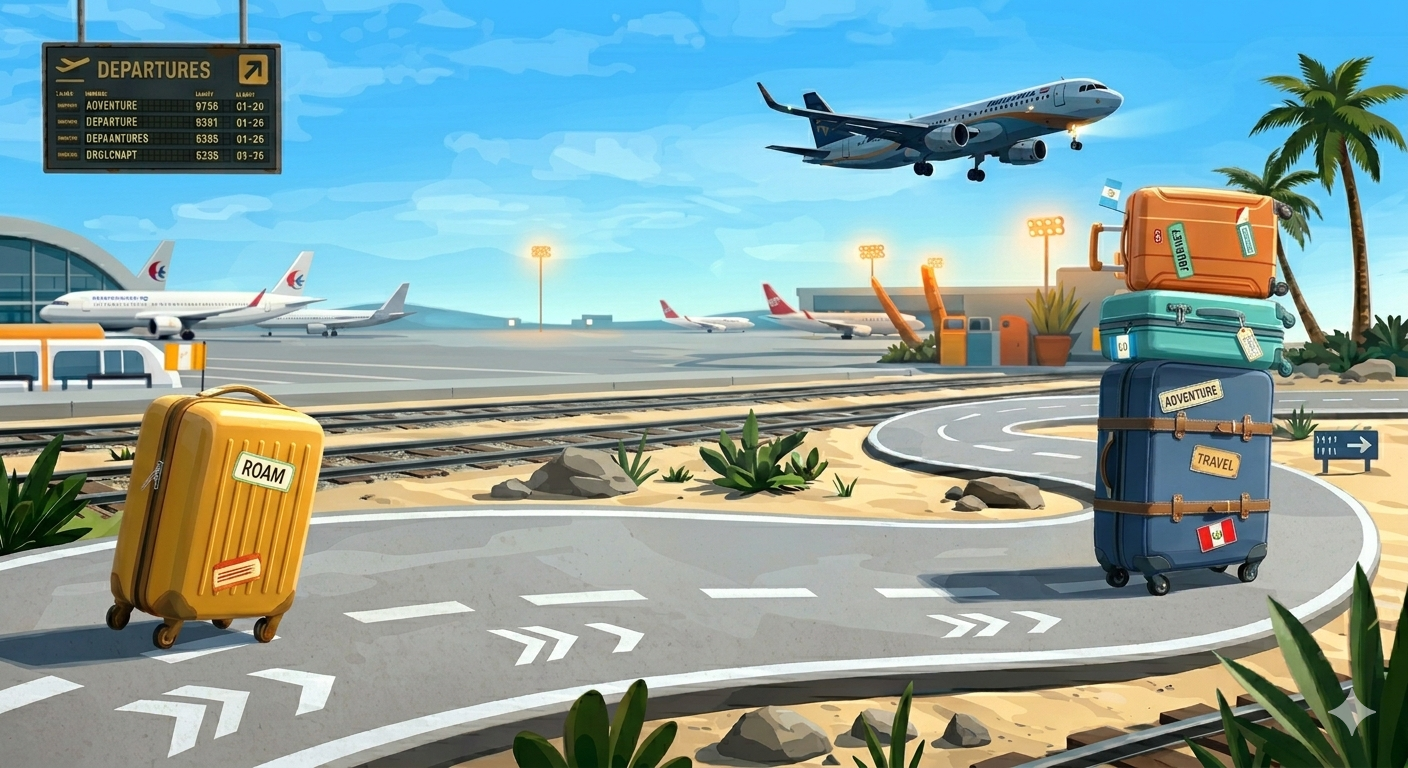
There’s a version of this story that sounds exciting - a new country, a fresh start, an adventure as a family. But there’s a quieter side too - the internal experience of the trailing spouse, whose life must be rebuilt from the ground up while others settle more easily. Before the move, you likely had a rhythm. You knew who you were. You had roles that grounded you, whether through work, routines, or the way people related to you. Then suddenly, you arrive somewhere new and parts of that identity don’t quite transfer. Your job might be gone or paused, your independence feels different, and simple things, like navigating systems or expressing yourself in another language, can make you feel less capable. Disorientation can settle in, a sense of not quite recognising yourself in this new version of life. If you’ve ever caught yourself thinking that you don’t feel like yourself anymore, it’s not just a passing thought. It's something worth paying attention to. Psychology tells us that when meaningful roles are disrupted, it can create a genuine sense of identity loss, not just discomfort.
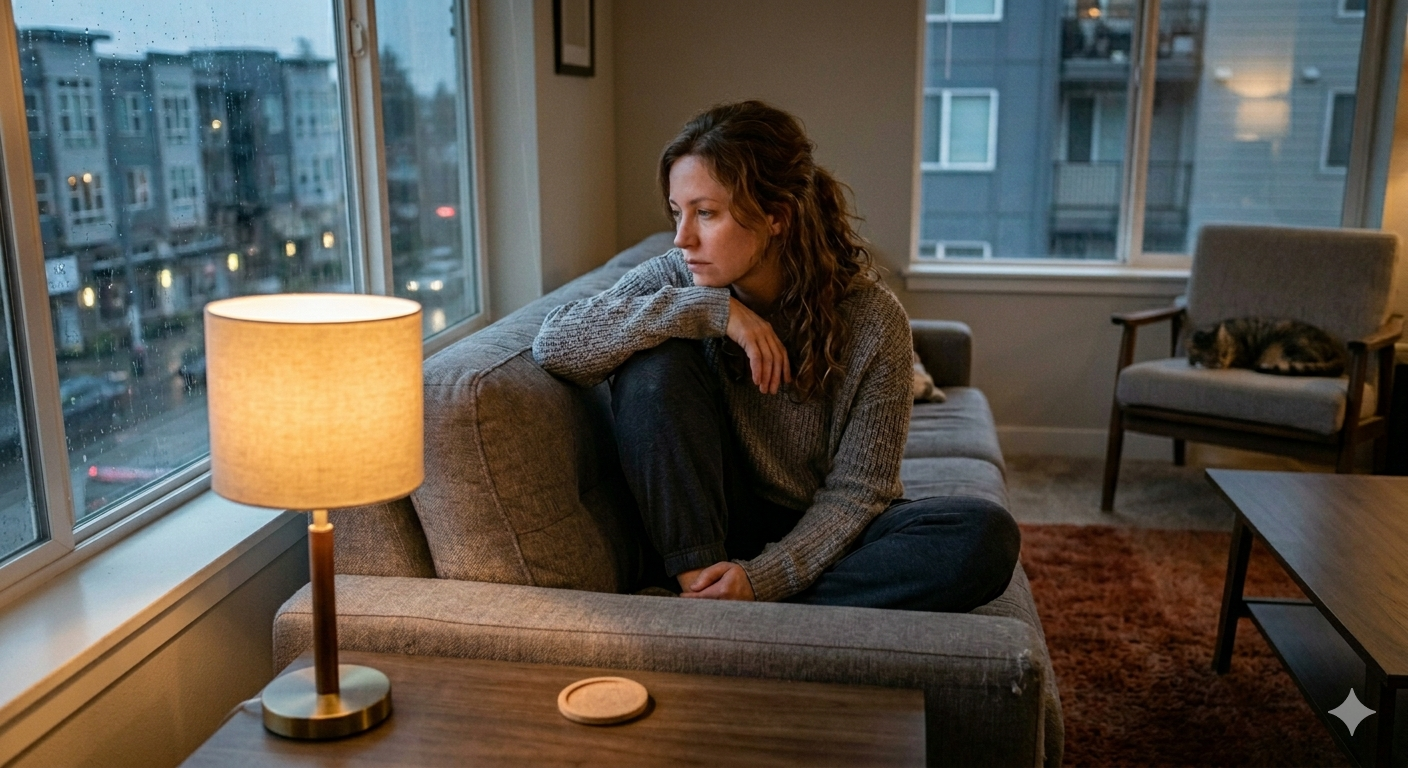
Even when the move is chosen, even when it makes sense on paper, there are losses that don’t always get acknowledged. You might miss your professional identity, your financial independence, the ease of knowing how things work, or the comfort of being surrounded by people who know you well. What makes it more complicated is the quiet pressure to feel grateful. When this is a decision you agreed to, it can feel like you’re not supposed to struggle with it. You might catch yourself thinking that you should be happier, that other people would love this opportunity, that you don’t have the right to feel unsettled. But gratitude and grief can coexist. One does not cancel out the other.
At the same time, an imbalance often goes unnamed. One partner steps into a new role with a clear sense of purpose, and their world expands quickly. The other starts from zero, trying to find their footing again without the same sense of structure or support. This can quietly affect your confidence, not because you’ve changed, but because the environment no longer reflects your strengths in the same way. That shift is subtle, but powerful.
Then comes the emotional side, which reveals itself in stages more complex than simple homesickness. At first, you might notice persistent sadness or a flatness in daily life, where things seem less engaging. This can shift into anxiety about your future or uncertainty about rebuilding something of your own. Guilt often joins in, making you feel you should handle things better or be more appreciative. Sometimes, frustration or resentment surfaces unexpectedly, lingering just beneath the surface. These emotional shifts do not mean something is wrong with you. In psychological terms, this is often called adjustment stress, your internal world is trying to catch up with the magnitude of the external change.
Even in strong, supportive relationships, this dynamic can add pressure. Not because anyone is doing anything wrong, but because the experience itself isn’t equal. One person may feel energised and validated by their new environment, while the other feels in between, trying to find solid ground again. Wanting space for your own identity within that dynamic doesn’t make you less supportive, it makes you human.
It might feel, at times, like you’ve lost yourself. More often, though, you are actually moving through a series of emotional transitions. Your old identity no longer fully fits your current life, and your new one hasn’t had time to form. This in-between space feels uncomfortable and unsettling, emotionally, you are letting go of pieces of the past while not yet having new roles to anchor you. This uncertainty can be difficult, but it is also the stage where new beginnings slowly take shape.
If you’re in that space right now, feeling a bit lost or unsure of where you fit in all of this, it makes sense. You can love your partner, appreciate the opportunity, and still feel disoriented at times. Those experiences are not in conflict. They’re part of navigating a life that asked you to change before you had time to understand what that change would mean for you. This kind of transition takes time and more compassion than most people give themselves credit for. Not because you’re doing anything wrong, but because you’re in the process of becoming someone new in a place that doesn’t yet fully feel like your own. Trust that each step brings you closer to belonging.