
By Teresa Cordeiro
As a mum raising twins between cultures, I’ve often heard that this kind of life might be too unstable for children. We tend to assume that kids need one place, one culture, one consistent environment to thrive. However, both research and real life suggest something far more nuanced, and often, far more positive.
Stability does matter for children. Predictability, routines, and a sense of belonging are all important for emotional development. From a psychological perspective, these elements help children feel safe, and safety is the foundation for their exploration of the world. There’s also a very human side to this concern. Moving countries often means distance from people who play a significant role in a child’s life, such as grandparents, extended family, and close friends. The distance can create a sense of loss and disconnection. It makes sense that many parents worry about how living abroad might disrupt not only a child’s sense of stability, but also their sense of connection and belonging.
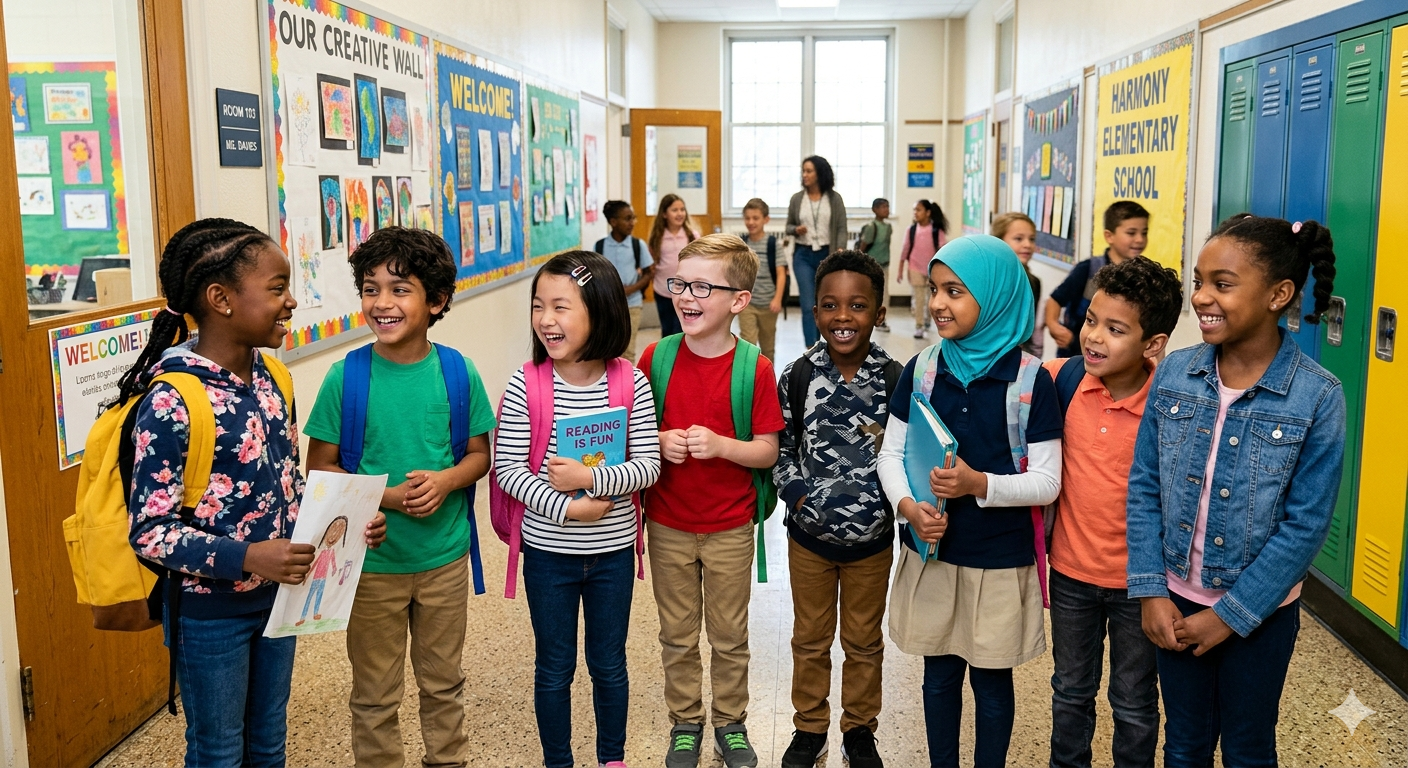
Research on children who grow up between cultures, often referred to as third culture kids, offers a more balanced perspective. Studies in developmental psychology suggest that, when children are supported, growing up across cultures can strengthen their ability to adapt to new environments. Change becomes something familiar rather than something to fear. Exposure to different languages, perspectives, and ways of living can also support cognitive flexibility and a broader understanding of the world. Over time, this may translate into qualities such as openness, empathy, and a greater ability to connect with people from different backgrounds. In other words, rather than being something negative, these experiences can, within the right context, become part of how children learn to navigate and make sense of the world.
In my own experience of raising twins in a multilingual, multicultural environment, I’ve seen both sides of this. There are moments where things feel less straightforward, where language, routines, or even a sense of where home is can feel a little unclear. To be honest, there are also many nights spent lying awake, wondering if we’re making the right decision, especially when those around us don’t fully understand it. When questions come up, or concerns are shared, often from a place of love, from missing the kids and us, but still carrying a certain fear or doubt. And then there are the harder moments, the simple but heavy questions from the children themselves:
“Why are we so far away?”
“Why don’t we go back?”
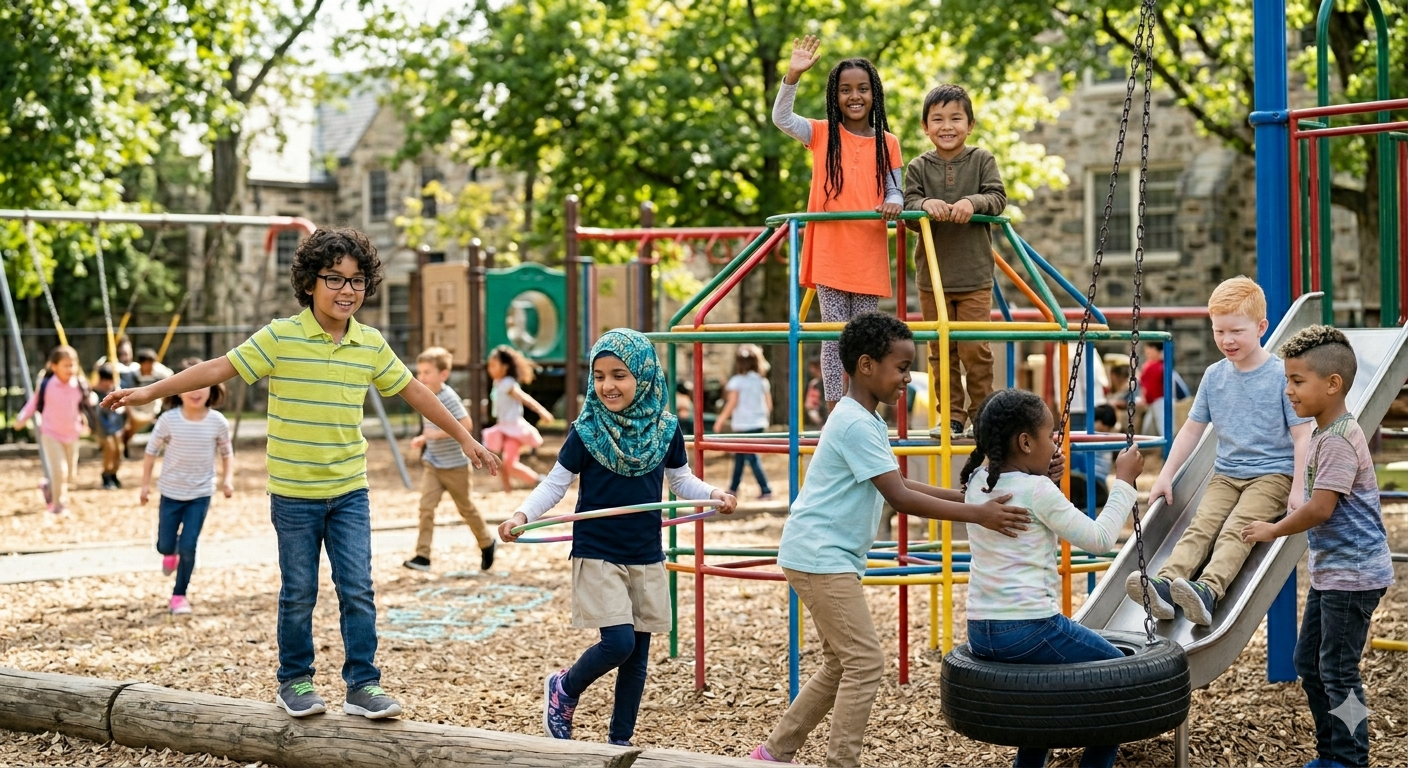
Those moments stay with you. They make you pause, reflect, and sometimes question everything. But alongside this, something else continues to unfold. I see it in the way they connect with others, with a natural openness, regardless of language or background. I see it in their growing confidence as they navigate new environments, in how quickly they adapt, and in the curiosity they bring to the world around them. There’s an excitement in discovering new places, new routines, new ways of living, the kind of everyday adventures that quietly become part of who they are, and the memories they are building along the way. And at times, it’s reflected to us through comments from other parents, teachers, or peers who notice their adaptability, openness, and ease of connection.
If I’ve learned anything through this process, it’s that a lot of this doesn’t just happen on its own. As parents, the way we engage with the environment around us matters. Being open to the culture we’re in, creating opportunities for connection, and helping our children make sense of their experiences play a key role in their adaptation and growth within it.
Research reflects this as well, highlighting that it’s not simply the experience of living abroad that shapes children, but the level of support, connection, and stability created around them. So perhaps the question isn’t whether children should grow up in one place or across many. Instead, it’s how supported, connected, and understood they feel within those experiences.
Raising children abroad is not without its challenges, but it is also not inherently destabilizing. With presence, intention, and connection, it can become an environment where children can adapt and grow in ways that are often unexpected. Not because everything is stable, but because they learn, early on, how to find stability within change.