
The First Baby Changes More Than Your Family: It Changes You
By Teresa Cordeiro

Becoming a parent is often described as one of life's happiest milestones. Pregnancy announcements are celebrated, newborn photos fill social media, and friends eagerly share stories about first smiles and tiny fingers wrapped around a parent's hand. While these moments are undoubtedly special, there is another side to becoming a parent that receives far less attention.
The arrival of a first child does not simply change the size of a family. It changes identities, relationships, priorities, routines, and even the way the brain responds to the world. For many parents, this transition can feel overwhelming, confusing, and at times surprisingly lonely. Yet psychology tells us that these feelings are not signs of failure. They are often part of one of the most significant developmental transitions of adult life.
Becoming a parent means becoming someone new…
Much of the attention during pregnancy and after birth naturally focuses on the baby's health and development. However, psychologists increasingly recognise that parents themselves undergo profound psychological changes. One concept that has gained growing attention is matrescence, a term describing the physical, emotional, psychological, social, and identity transformation that occurs as a woman becomes a mother. Introduced by anthropologist Dana Raphael in the 1970s and later brought into mainstream psychology by psychiatrist Dr. Alexandra Sacks, matrescence has often been compared to adolescence. Just as adolescence is not a single event but a developmental process, becoming a mother is also a gradual transformation rather than something that happens the moment a baby is born.
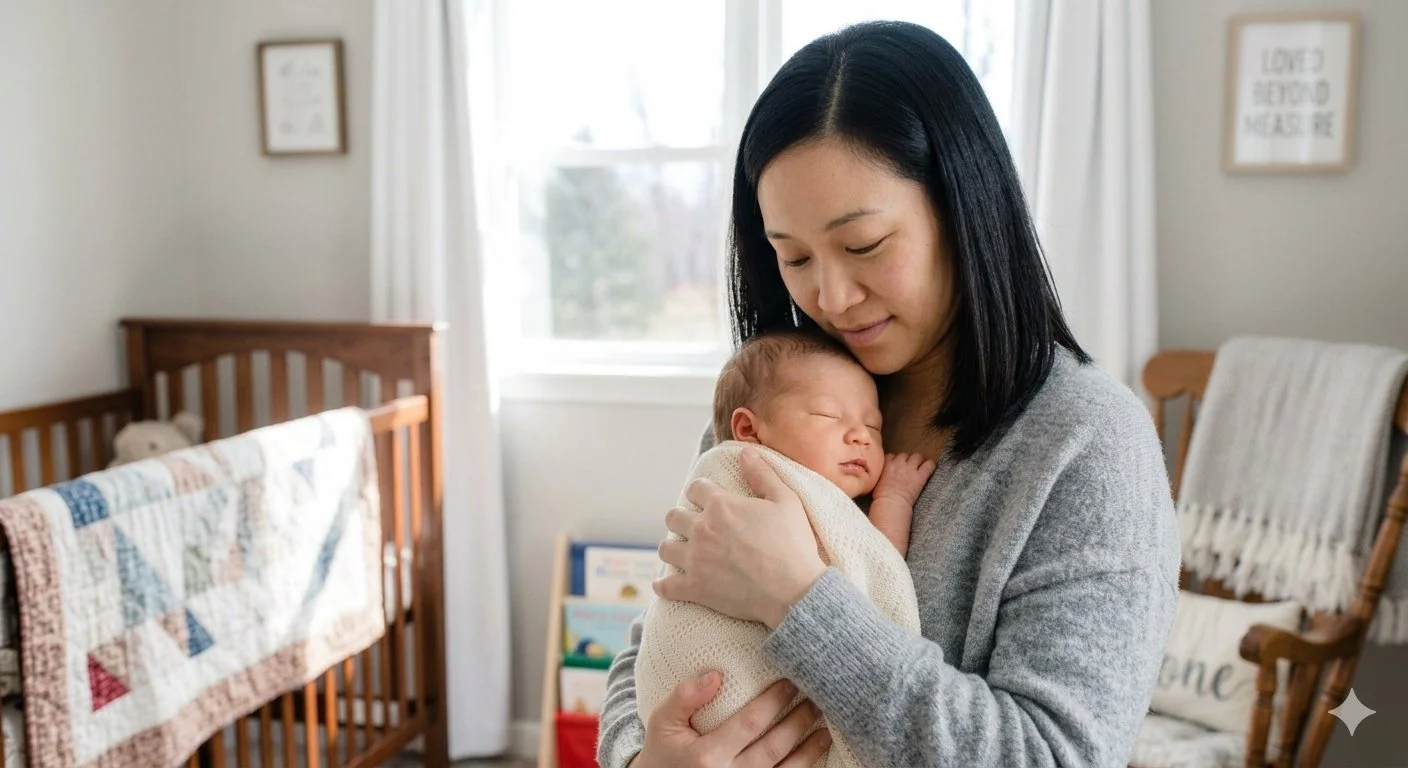
Hormones fluctuate dramatically; the brain adapts to heighten sensitivity to a baby's needs; priorities shift; and many women find themselves questioning who they are while simultaneously learning how to care for another human being. This transformation does not end once pregnancy is over. For many mothers, it continues for months and even years as they gradually integrate motherhood into their sense of identity.
While the birth mother experiences unique biological and hormonal changes, the other parent also undergoes a significant psychological transition. Becoming a parent often brings new responsibilities, changing routines, financial pressures, interrupted sleep, and an entirely new sense of purpose. Research even suggests that non-birthing parents may experience subtle hormonal changes associated with caregiving and bonding. Although their journeys differ, both parents are adapting to a completely new version of themselves.
Why do so many relationships feel different after the first baby?
One of the biggest surprises for many couples is how dramatically their relationship changes after welcoming their first child. Research by relationship expert Dr. John Gottman has consistently shown that relationship satisfaction declines for many couples during the early years of parenthood. This does not necessarily mean the relationship is unhealthy or that love has disappeared. Instead, it reflects the enormous number of changes happening simultaneously. Couples who once had time to connect, solve problems, or simply enjoy each other's company suddenly find themselves navigating sleepless nights, endless decisions, financial responsibilities, household tasks, and the constant demands of caring for a newborn.
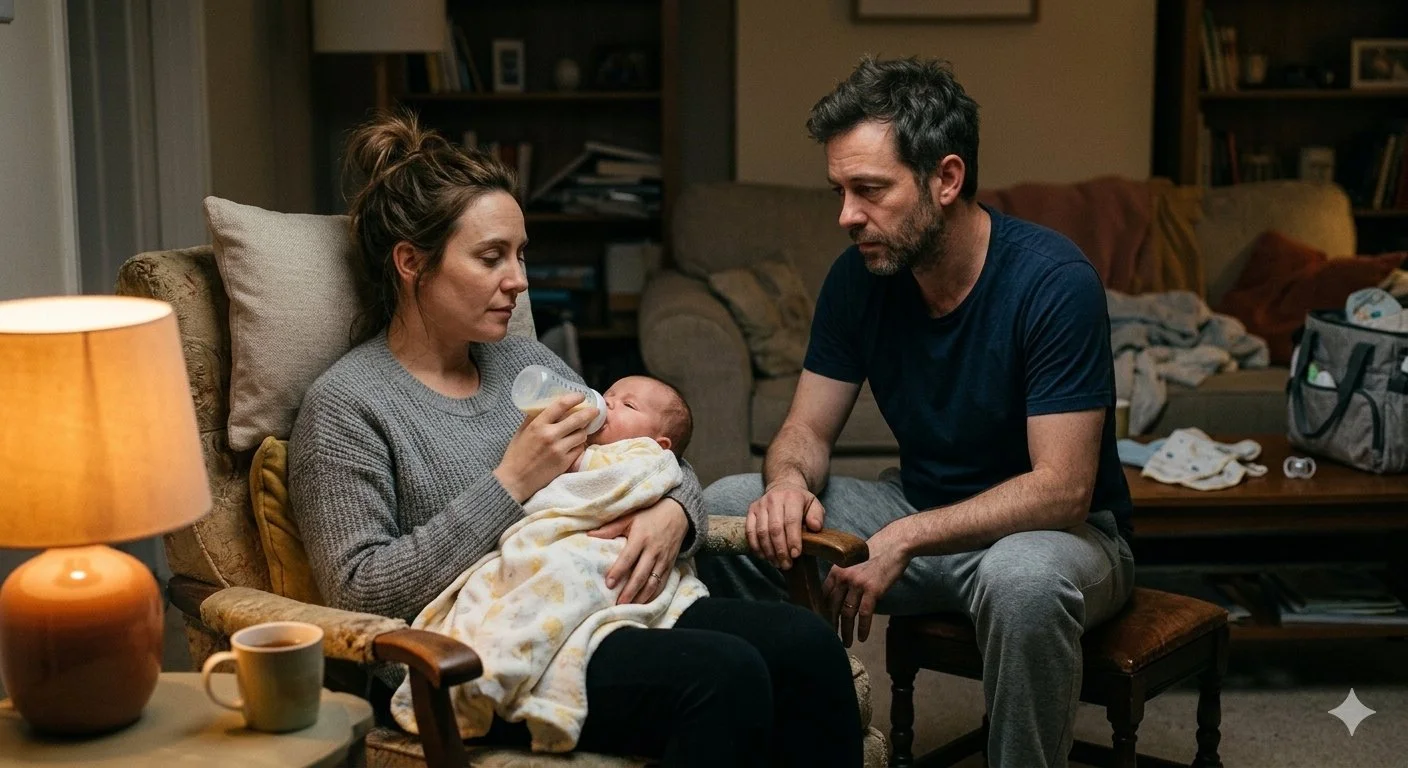
Family Systems Theory offers another helpful perspective. Rather than viewing the baby as simply joining an existing family, the theory suggests that the arrival of a child reorganises the entire family system. Every role changes at once. Partners become parents. Relationships with grandparents often shift. Daily routines, responsibilities, and expectations are rewritten almost overnight. It is not simply that a baby enters the family. Everyone within the family becomes someone new. For parents of twins, triplets, or higher-order multiples, these adjustments can feel even more intense. Feeding schedules, sleep deprivation, emotional demands, and practical responsibilities often multiply overnight, leaving even less time for rest, recovery, or nurturing the relationship.
Why don't I feel what everyone says I should feel?
Perhaps one of the least talked about aspects of early parenthood is the pressure many mothers place on themselves to feel an immediate and overwhelming sense of love. For some, that happens instantly. For many others, it does not. Instead, the first emotion may be fear. The responsibility of keeping a tiny human alive can feel so immense that the brain shifts into protection rather than emotion. This can be especially true following a difficult pregnancy, a traumatic birth, a neonatal intensive care stay, or the arrival of multiples, where concerns about health and survival may naturally take centre stage.
Many mothers quietly wonder whether something is wrong with them because their first instinct is not overwhelming joy but overwhelming responsibility. In reality, these experiences are far more common than many people realise. Sometimes love arrives not as a feeling, but as an action. It looks like checking whether the baby is breathing. It looks like learning everything possible about feeding, sleep, and development. It looks like showing up every day despite exhaustion. Protection is not the absence of love. For many parents, it is one of love's earliest expressions.
The hidden pressure of modern parenting…
Today's parents have access to more parenting information than any generation before them: Books, Podcasts, Instagram, TikTok, Online courses, Sleep consultants, Developmental psychologists, Parenting influencers. While access to reliable information can be incredibly valuable, it can also create an impossible expectation that there is one perfect way to raise a child. Research suggests that excessive exposure to conflicting parenting advice may contribute to increased anxiety, self-doubt, and perfectionistic thinking, particularly among first-time parents. Never before have parents had access to so much information, yet many have never felt less confident. Finding a balance between evidence-based information, trusted healthcare professionals, and confidence in one's own growing understanding of their child is often far healthier than constantly searching for the next expert opinion.
The invisible mental load
When people think about sharing parenting responsibilities, they often think about visible tasks such as feeding the baby, changing nappies, or doing the laundry. Yet one of the greatest sources of stress is often invisible. Psychologists refer to this as the mental load, the ongoing cognitive work involved in anticipating needs, organising routines, remembering appointments, planning meals, monitoring development, buying supplies, managing schedules, and carrying dozens of invisible responsibilities that keep family life functioning. Research consistently shows that mothers often carry a disproportionate share of this mental load, particularly during the early years. However, the other parent may also carry invisible responsibilities, whether related to work, finances, protecting the family, or balancing multiple competing demands. The goal is not to compare who carries more. The goal is to recognise that invisible work is still work. Talking openly about these responsibilities often prevents resentment from building over time.
Why communication matters more than perfection…
Many new parents assume that successful couples avoid conflict. The research suggests something different. Conflict is common during the transition to parenthood. What matters is how couples respond to it. When stress is high and sleep is limited, misunderstandings happen more easily. Small frustrations can quickly become larger arguments. Often, neither parent is intentionally hurting the other. Both are simply exhausted and overwhelmed, trying to do their best.
One of the biggest shifts occurs when couples stop viewing each other as the problem and begin viewing the problem as something they face together. Open conversations about fears, expectations, identity changes, and practical needs are often far more productive than trying to determine who is doing more. Many couples also benefit from intentionally protecting their relationship. This does not require elaborate date nights or weekends away. Sometimes it simply means sharing a cup of tea after the children are asleep, checking in with each other without distractions, laughing together, or reminding one another that they are still partners, not just parents.
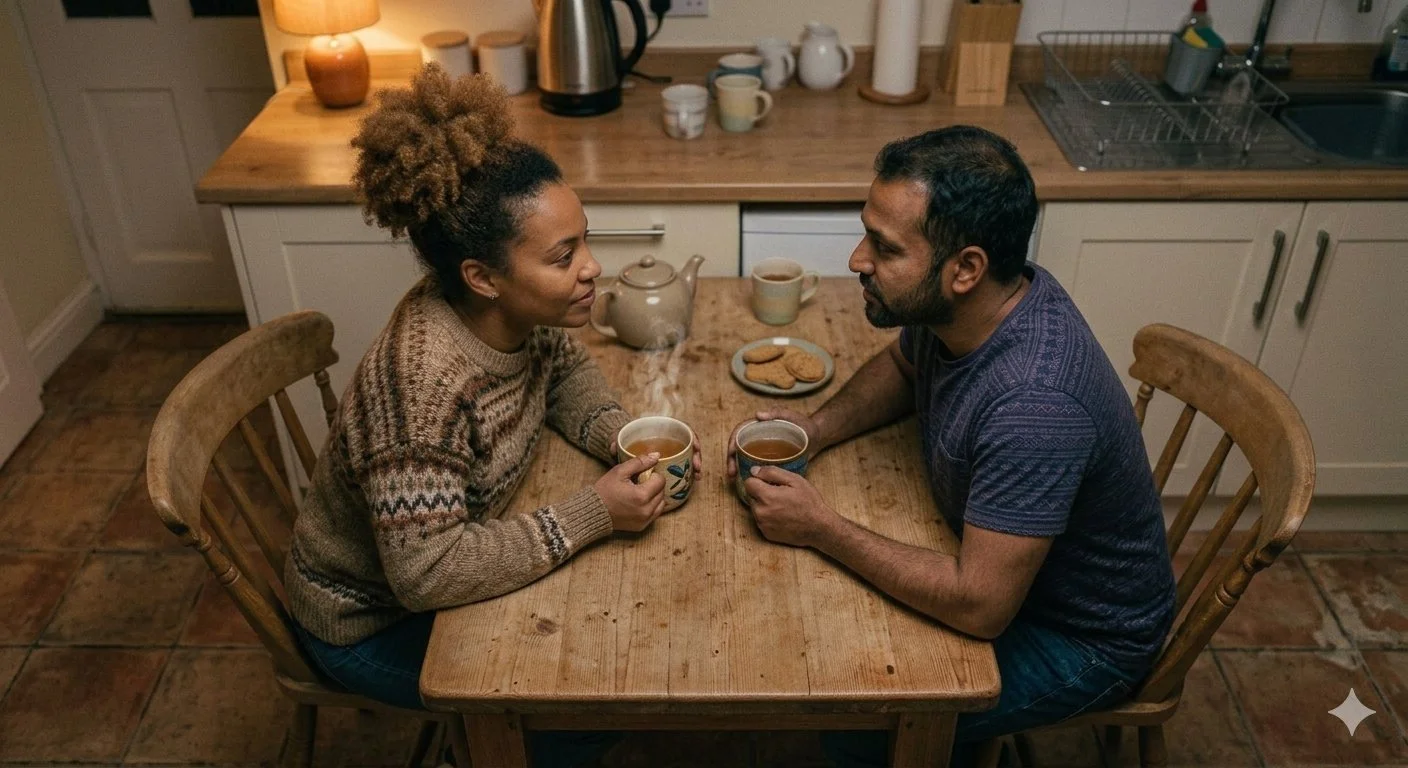
Healthy boundaries with extended family can also play an important role. While advice from loved ones often comes from a place of care, every family must be given the space to discover what works best for them. Feeling supported is very different from feeling constantly judged or undermined. Without a healthy couple relationship, the family itself often struggles. Investing in the relationship is not taking time away from the children. It is investing in the foundation on which the family is built.
There is no perfect parent!
One of the greatest myths surrounding parenthood is that good parents instinctively know what they are doing. Most do not… They learn. They adapt. They make mistakes. They apologise. They grow. Years after becoming parents, many people discover they are still getting to know this new version of themselves. Parenthood rarely leaves people unchanged. Some notice they have become calmer, more patient, or more present. Others grieve parts of their previous identity while embracing new ones they never expected to develop. The transformation continues long after the newborn stage has passed. Perhaps that is the most important message of all.
The first baby changes far more than a family: It changes identities. It reshapes relationships. It challenges long-held beliefs about love, partnership, and self-worth. It asks two people to become someone they have never been before. That journey is rarely perfect and almost never easy. But understanding the psychology behind the transition can replace self-criticism with compassion. Instead of asking, "Why am I struggling?", perhaps a kinder question is, "How am I growing?" Because parenthood is not simply about raising children. It is also about growing alongside them.