
By Teresa Cordeiro
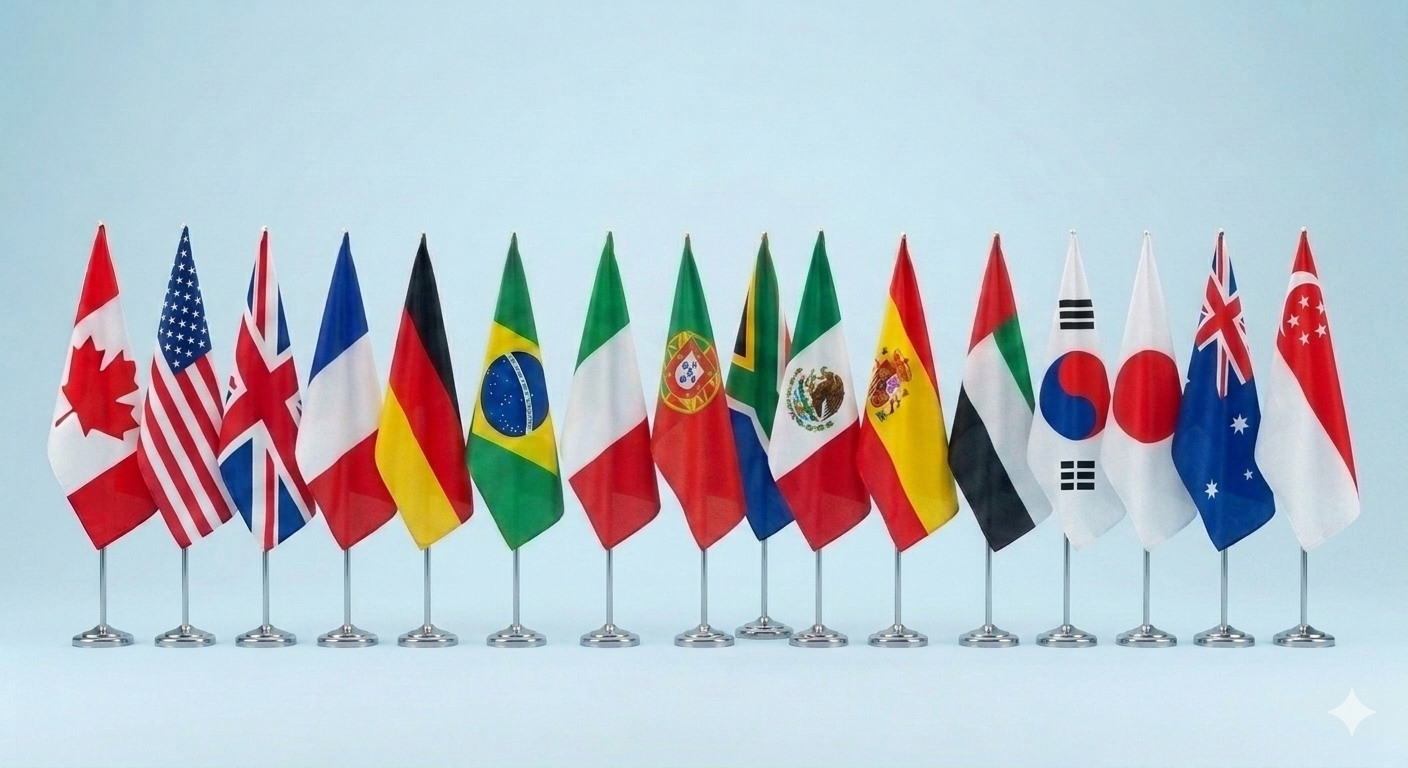
In many conversations about multicultural relationships, the focus tends to be on the challenges: language differences, cultural misunderstandings, family expectations, or the complexities of raising children between two or more worlds. While these realities certainly exist, there is another side to the story that deserves attention: the joy, creativity, and resilience that can emerge when two or more cultures come together. Multicultural relationships offer a unique opportunity to create something entirely new. Rather than choosing one culture over another, many couples build a shared family culture that reflects the values, traditions, and experiences that matter most to them. This process often becomes one of the greatest strengths of multicultural families.
Culture extends far beyond nationality. It can include religion, language, food, traditions, family values, holidays, and even different ways of expressing love and support. When partners come from different cultural or religious backgrounds, they have the opportunity to introduce one another to traditions that may have never been part of their lives before. A family might celebrate Christmas with a decorated tree while also honoring Jewish traditions, such as lighting a menorah during Hanukkah. Others may combine cultural holidays, foods, and family customs from different parts of the world. Some families create entirely new traditions, special meals, annual trips, unique holiday rituals, or meaningful family activities that belong only to them. These shared experiences often become treasured memories that children carry into adulthood.
Psychologists have long recognised that a strong sense of belonging is one of the foundations of emotional well-being. In multicultural families, belonging is often built not through shared backgrounds, but through shared experiences. Family traditions, whether inherited, adapted, or newly created, help strengthen family bonds, create positive memories, and give children a sense of security and identity. These rituals remind family members that they are part of something meaningful, even when their backgrounds may be very different. For couples, cultural differences can encourage curiosity and ongoing learning. Partners often gain a deeper understanding not only of each other but also of themselves. Exploring another person's traditions, beliefs, and experiences can strengthen communication and create opportunities for meaningful conversations that might never occur in more culturally similar relationships.
Of course, multicultural relationships are not without challenges. Differences in communication styles, parenting approaches, religious practices, and expectations around family involvement can sometimes create tension. Research shows that successful multicultural couples are not necessarily those who avoid differences, but those who approach them with respect, flexibility, and a willingness to learn from one another. Another challenge can arise when living in communities where cultural diversity is less common. In some societies, traditions and social norms are deeply valued and have remained relatively stable for generations. For multicultural families, this may occasionally create feelings of standing out or needing to explain aspects of their family life. At the same time, these experiences can provide valuable opportunities for cultural exchange, helping communities become more familiar with different traditions and perspectives over time.
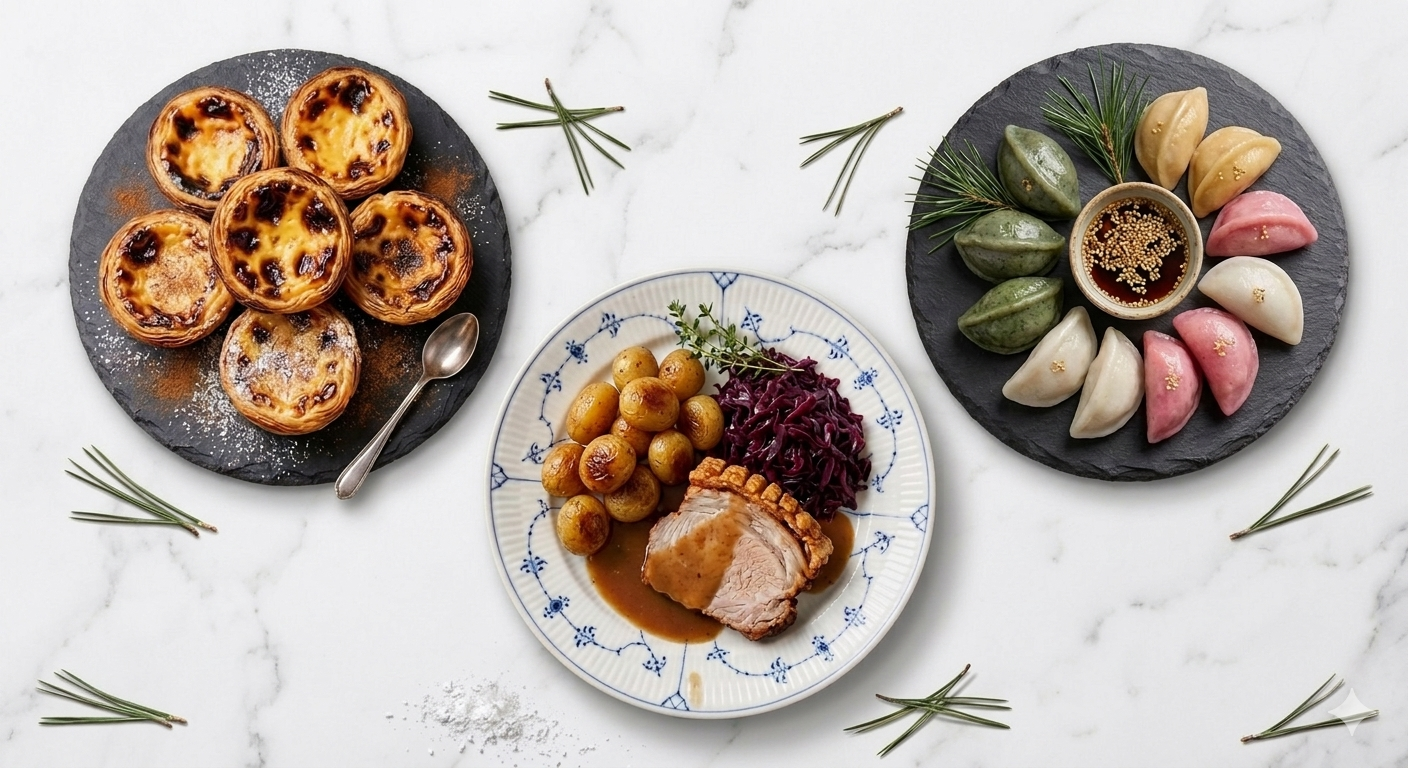
Children in multicultural families may also spend periods of their lives navigating questions such as “Where am I from?” Or “Which culture do I belong to?” While this can sometimes feel confusing, research suggests that children who receive support and validation for all parts of their identity often develop a strong and secure sense of self. They learn that identity is not always about choosing one side or another it can be about embracing the richness of multiple influences. One of the most beautiful aspects of multicultural relationships is the reminder that families are not defined by doing things one particular way. Families are built through connection, shared values, and a sense of belonging. A multicultural family celebration might include Portuguese pastries for dessert, a traditional Danish Christmas dinner, Korean Chuseok traditions in the autumn, and children eagerly participating in it all. What may seem unusual to others often becomes completely normal and deeply meaningful within the family itself. These shared experiences, traditions, and memories help create a unique family culture that reflects not only where family members come from, but also the life they are building together.
In an increasingly connected world, multicultural relationships highlight an important truth: differences do not have to divide us. When approached with curiosity, respect, and openness, they can become a source of growth, resilience, and connection. The traditions that emerge from these relationships are often more than a blend of cultures, they are a reflection of a family's shared journey and the meaningful life they build together. At their best, multicultural families show children and adults alike that it is possible to honour where we come from while also creating something new together. And sometimes, the most meaningful traditions are not the ones we inherit, but the ones we create.